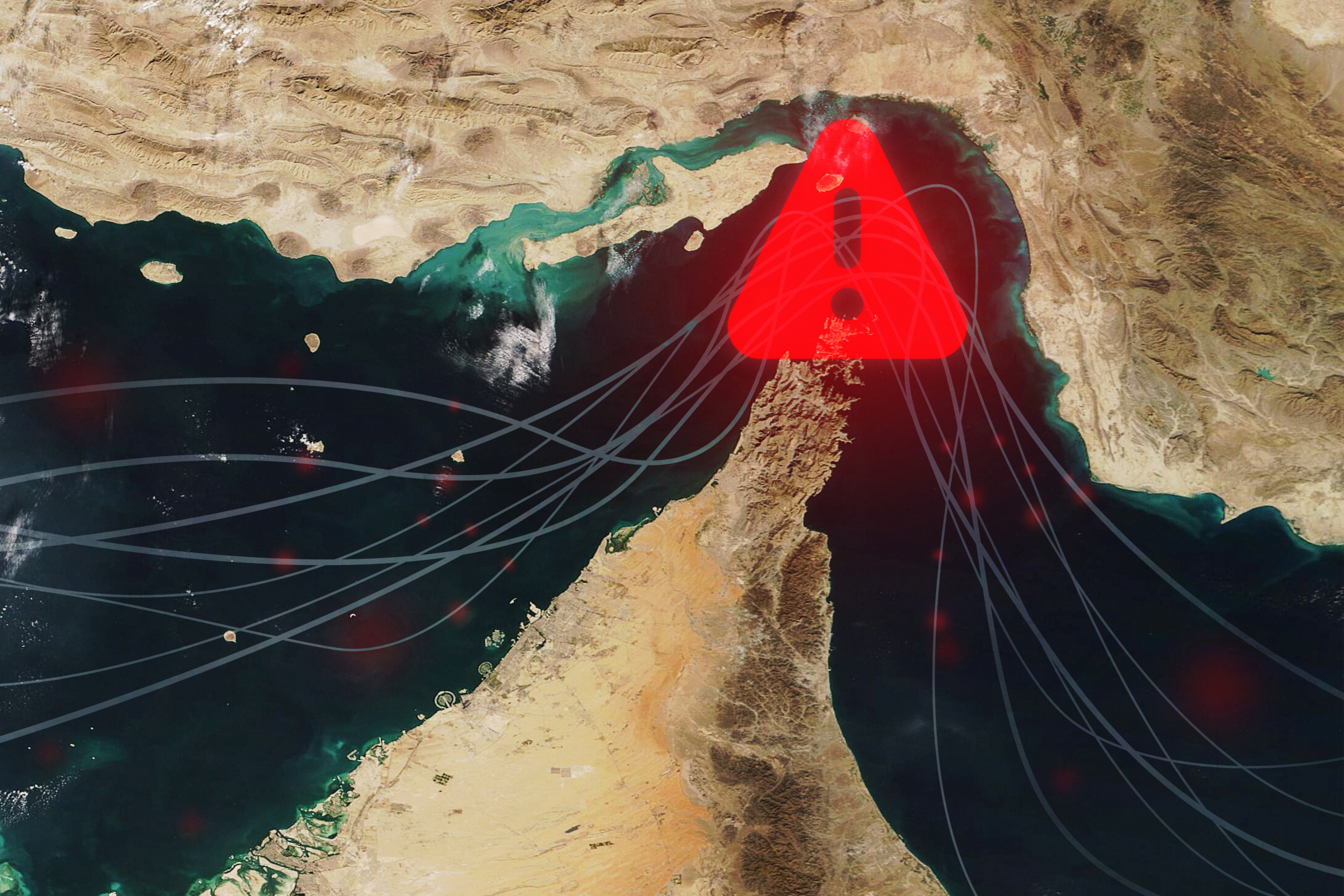
“California’s combination of declining in-state production, lack of crude pipeline connectivity, refinery configuration constraints, and shrinking capacity leaves it more exposed to disruptions in the Strait of Hormuz than most Americans realize.”
One might wonder how a narrow waterway halfway around the world came to play a major role in California’s fuel supply chain. The answer is unfortunate but simple: Sacramento embraced foreign imports as an energy strategy.
Indeed, thanks to rapidly declining in-state oil production, California now relies heavily on foreign crude imports to supply its refineries. Persian Gulf countries usually provide a portion of those imports, but this year conflict in the region has forced California to compete for limited alternatives in tight global markets.
In addition, having lost nearly a third of its refining capacity since 2020, California has grown increasingly reliant on Asia for gasoline and jet fuel. But Asian refineries also depend on Persian Gulf oil, and were forced to slash output and restrict exports with crude supplies disrupted.
Bloomberg explained how import dependence put California in a bind:
“As the war with Iran continues to roil commodity markets, few places are as vulnerable as California. The state imports about 20% of its refined fuels from Asia and the Middle East conflict has left those nations struggling to meet their own needs, let alone those of somewhere else.”
The impact on consumers was predictable.
According to Stanford economist Ryan Cummings, the state was forced to offer incentives to foreign fuel producers for their limited supplies. He told The Wall Street Journal: “In order to even engage in that trade, it raises the price in California.”
“[A]s the gallons become tighter across the globe, we have to compete, and … that kind of pricing will be baked into the price at which we acquired those imports and hence passed to the consumers.”
“We have an energy security problem in California … if push came to shove, [Asian suppliers] are going to cut off any refined fuel sales to California for sure.”
Sacramento has long ignored warnings that relying on foreign oil and gasoline imports would expose the state to vulnerabilities it cannot control. Conflict in the Persian Gulf has shown how.