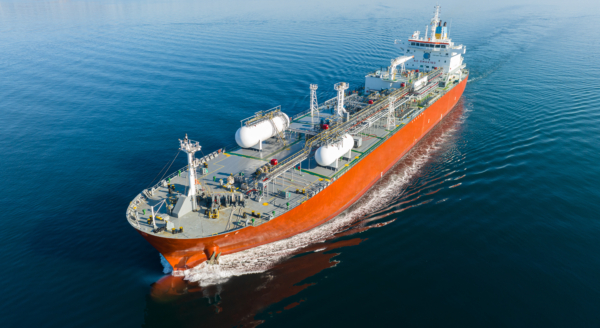
As hostile policies shut down in-state fuel production, California is increasingly turning to foreign suppliers. But shipping gasoline across oceans adds complexity and cost to the fuel supply chain, pushing prices higher at the pump.
As the California Energy Commission (CEC) wrote in their August 2024 Transportation Fuels Assessment:
“Marine imports generally tend to have higher prices compared to in-state refining, as ships can be expensive to operate compared to pipelines and present different environmental risks.”
The CEC Assessment analyzed multiple import strategies, often noting high costs as a risk. For example, for one strategy, the CEC warns: “Refiners or blenders who can produce [California’s unique fuel blend] are limited … Could be very expensive if freight and price risk are ‘covered’ for the importer.”
Independent experts have noted similar concerns.
In testimony submitted to the CEC earlier this year, an economist with the Brattle Group noted:
“California is not connected via pipeline to out-of-state refiners, so imports must be transported over the water. The increasing reliance on remote refineries to satisfy the demand for California gasoline results in higher gasoline costs and longer delivery lead times due to the additional layer of transportation.”
But while transportation costs are a key import cost factor, foreign suppliers are also sensing an opportunity to charge California a premium.
One industry analyst recently told Fortune:
“The Asian suppliers are very interested in the California market. That’s because they see a necessary willingness from California to pay more. For California to get the supply that they need, they’re going to have to up their price. They’re going to have to up their bid.”
With millions of working families already struggling under California’s affordability crisis, the state can’t afford to raise costs further with an expensive gasoline import strategy.