After sitting down with each of the top candidates for governor, KCRA Political Director Ashley Zavala recently offered a striking takeaway:
“No matter who is elected California governor, the state’s ambitious climate goals in state law are set to be reassessed. With high costs and uncertain fuel supply, all top 8 candidates suggested a rethink of those goals in some way, shape or form.”
That’s a notable shift. California’s climate ambitions – including a 40% reduction in greenhouse gas emissions by 2030 and carbon neutrality by 2045 – have guided state policy for years.
But with Californians paying the nation’s highest gas prices and electricity rates nearly 90% higher than the U.S. average, the gubernatorial candidates appear ready to realign policy to reality.
Former U.S. Health and Human Services Secretary Xavier Becerra put it this way:
“When we have goals, they have to be achievable … When these goals were first initiated, there was this belief that we could get there. Things have become very difficult.”
Katie Porter, a former Congresswoman and longtime advocate for a rapid transition away from fossil fuels, told Zavala that “we’re going to have to adjust our intermediate benchmarks” and called for “a reasonable extension” to the state’s 2035 ban on the sale of gas-powered cars.
Superintendent of Public Instruction Tony Thurmond agreed, telling Zavala, “I think it’s time for us to evaluate [our climate goals]” while noting that the state doesn’t have enough charging infrastructure for electric vehicles.
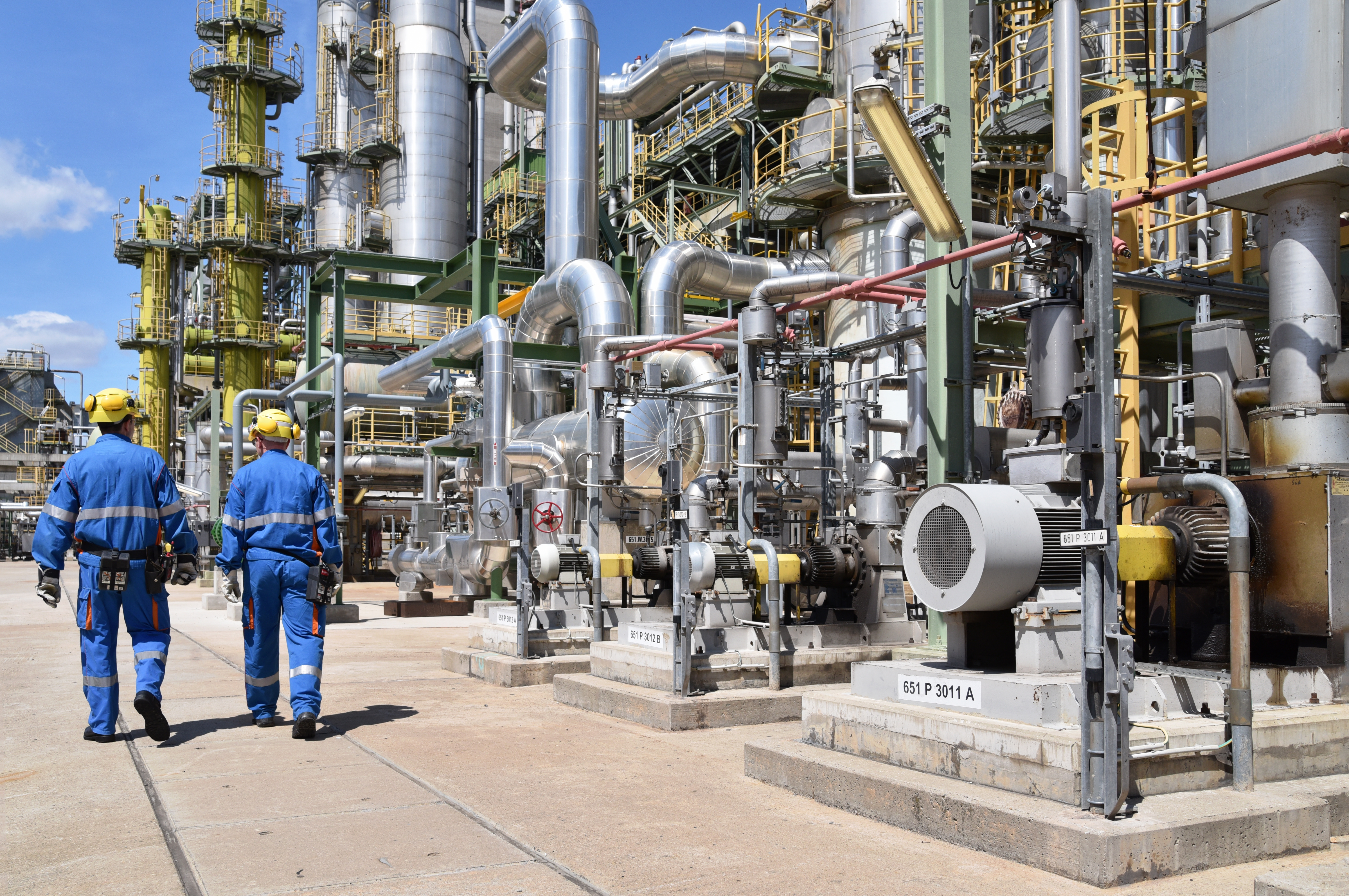
Former Los Angeles mayor Antonio Villaraigosa was more direct: “First thing we’re going to do is a moratorium on regulations that raise the cost of gas and jeopardize the existence of any more refineries.”
Perhaps most striking, as Zavala put it: “Even the Democratic billionaire climate activist, Tom Steyer, acknowledged change may be needed.”
Steyer told KCRA: “We need to have more refining capacity for internal combustion engines for sure.”
When asked if that would counter the state’s climate goals, Steyer replied:
“We’re going to have to have that happen because there’s a base of people who need that – people aren’t going to scrap their car, which is a big capital expenditure for every family.”
The next governor will inherit a state with fewer refineries, higher gas prices, and growing public anxiety over the cost of living. With even the most ardent climate voices in the race calling for a new approach, Sacramento would be wise to listen.