Valero’s Benicia refinery will soon stop producing gasoline, leaving California with just seven refineries capable of producing the state’s unique fuel blend.
With the closure, California will have lost nearly a third of its refining capacity in just six years. Meanwhile, statewide gasoline consumption is falling by less than 1% annually.
In the face of this crisis, some say California should turn to foreign suppliers for the gasoline we need. But increasing reliance on gasoline imports is a bad strategy for California.
In a special four-part series, we’ll explore the following reasons why:
- COST: The record is clear: gasoline imports raise prices at the pump. California Energy Commission experts warn that relying on fuel imports can be “very expensive,” noting “there is a cost associated with shipping the fuel.”
- JOBS & LOCAL IMPACTS: Refineries provide thousands of good-paying jobs and critical support for local governments. Benicia’s mayor has called converting the Valero refinery to an import terminal “a lose, lose, lose scenario” with far fewer jobs and a pullback in public services due to lower tax revenues.
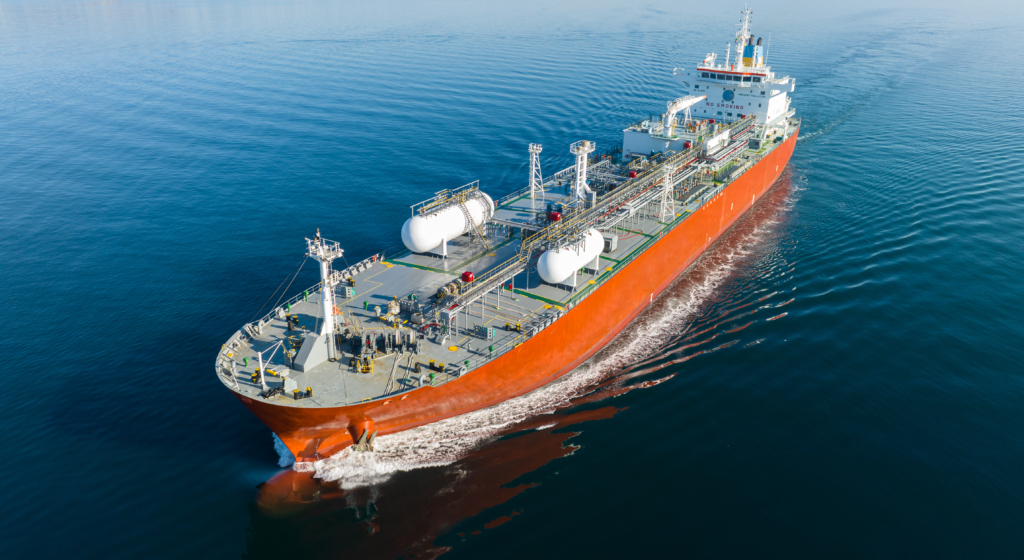
- INADEQUATE INFRASTRUCTURE: California is an energy island with no pipeline connections to other U.S. refining centers. That means fuel imports must arrive by tanker, but the state doesn’t have the port capacity, pipelines, or storage facilities necessary to meet demand that way. Infrastructure bottlenecks increase the risk of shortages and price spikes that working families can’t afford.
- CONTROL: Importing gasoline means California cedes power to foreign fuel producers and international commodities traders with no accountability to our state. Only a handful of refineries worldwide are able to make California’s cleaner-burning fuel, and shipments from foreign suppliers can take up to six weeks to reach California. Relying on imports exposes the state to unnecessary risks from tariffs, trade wars, embargoes, armed conflict, and shipping disruptions. Without substantial in-state production, California could be one international crisis away from lines at the pump.
Bottom line: California shouldn’t surrender to a risky, expensive gasoline import strategy that sacrifices our workers, communities, and values. With in-state fuel production, our state can maintain its energy security as we build the infrastructure necessary for a lower-carbon economy.